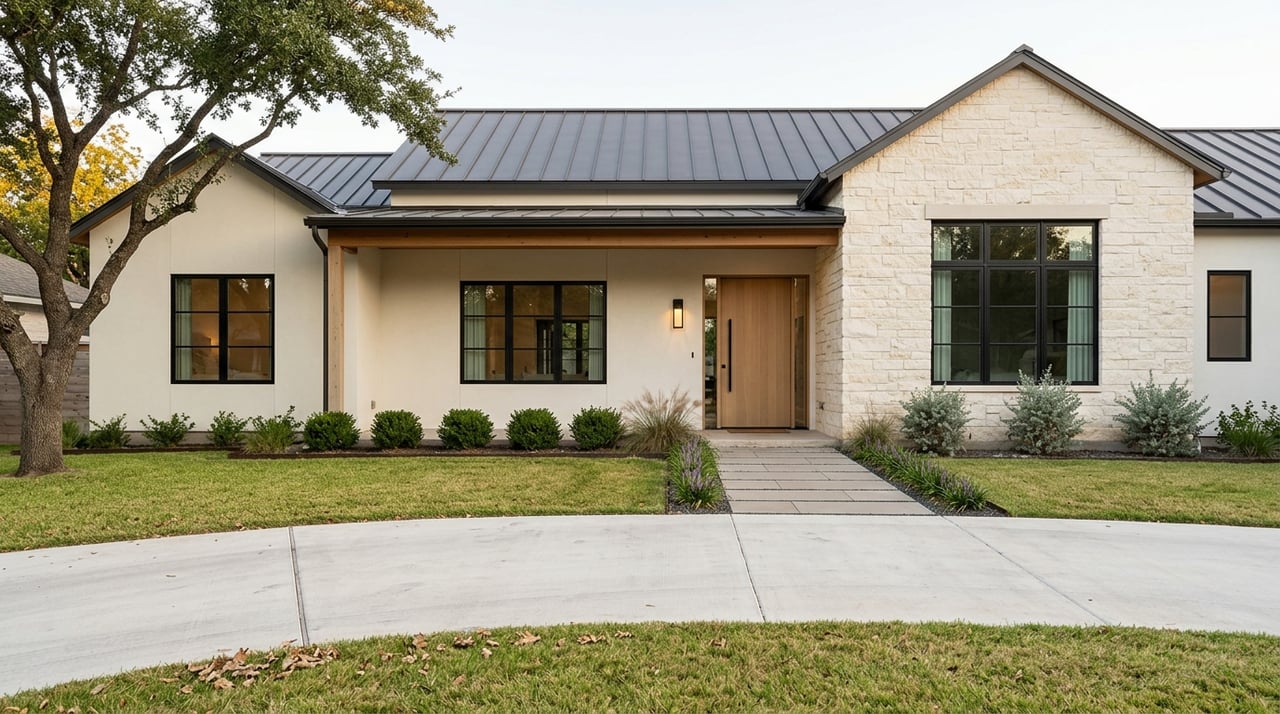
Trying to sell your Dallas home while buying in Collin County can feel like solving two moving puzzles at once. You want strong terms on your sale, enough flexibility on your purchase, and a plan that does not leave you rushed, homeless, or carrying two homes longer than expected. The good news is that Texas contracts offer several tools that can help you manage the timing. Let’s walk through how to think about the move and what options may help you line up both sides with more confidence.
Why timing matters in Dallas and Collin County
At a metro level, Dallas-Fort Worth-Arlington had about 4.0 months of inventory in Q1 2026, which is generally considered a roughly balanced market. Even so, conditions can vary a lot by city, price point, and neighborhood. That means your move is less about chasing one broad market headline and more about syncing two local transactions.
Recent county-level numbers show why that matters. Over the three months ending April 2026, homes in Dallas County sold at a median price of $364,980 and spent 41 days on market, while homes in Collin County sold at a median price of $461,212 and spent 52 days on market. Those are broad averages, but they help explain why your Dallas sale and your Collin County purchase may not naturally close on the same schedule.
Start with your move strategy
Before you write offers or list your home, it helps to decide which sequence best fits your goals, finances, and risk tolerance. In Texas, most Dallas-to-Collin moves tend to follow one of four paths.
Sell first, then buy
This approach gives you the clearest picture of your proceeds before you shop in Collin County. It can reduce financial pressure and help you make a cleaner offer once your Dallas home has closed.
The tradeoff is convenience. If you do not find your next home right away, you may need short-term housing or storage while you search.
Buy with a sale contingency
If you want to secure a Collin County home before your Dallas sale closes, Texas offers a tool for that. The Addendum for Sale of Other Property by Buyer is used when you will not be able to purchase the new property unless your current property is sold and closed.
This can protect you from being forced to close on the purchase before your Dallas home is finished. It also gives the seller clear notice that your purchase depends on another closing.
Close both homes around the same time
This is often the cleanest outcome on paper. You sell your Dallas home and buy in Collin County with closings scheduled close together, sometimes even the same day.
It can work well, but it usually takes strong coordination. Because the two counties can move at different speeds, even a small delay on one side can ripple into the other.
Use a short bridge after closing
Texas also allows temporary occupancy in certain situations. If you sell first but need a little more time before moving out, or if you need early occupancy before your purchase closes, there are standard forms that may help bridge the gap.
Texas contract tools that can help
A move like this is rarely handled by one simple clause. TREC says its standard contract forms are designed for a typical sale or purchase, but complex or specialized situations may require an attorney. That is especially important when you are trying to align two transactions with financing, deadlines, and occupancy needs.
Sale of other property addendum
For many buyers moving from Dallas to Collin County, this is the key document. The Addendum for Sale of Other Property by Buyer is used when your purchase depends on selling and closing your existing home.
In plain terms, it creates a clear sale contingency. If your Dallas home does not sell and close as required under the addendum, that affects your obligation to move forward on the Collin County purchase.
Third party financing addendum
If you are using a lender for all or part of the purchase, the Third Party Financing Addendum is generally part of the contract package. This matters because financing deadlines need to work with the timing of your sale.
If your down payment or loan approval depends on proceeds from your Dallas home, your transaction plan needs to account for that early. Strong coordination between your agent and lender can help reduce surprises.
Back-up contract addendum
A sale contingency does not always mean the seller must reject other interest. In Texas, a second buyer can use the Addendum for “Back-Up” Contract when a seller already has a first contract in place.
That matters if you are buying in Collin County and the seller wants flexibility. It also matters if your Dallas sale is contingent and another buyer steps in behind you. Rather than assuming the deal simply dies, Texas forms allow a transaction to shift into a back-up structure in some cases.
Understand the option period
One of the most common points of confusion is the difference between a sale contingency and an option period. They are not the same thing.
What the option period does
TREC says a buyer may terminate by written notice during the negotiated option period if the option fee is paid. Buyers often use that time to inspect the home and negotiate repairs.
So if you are buying in Collin County, the option period can give you a defined window to evaluate the property. It is a contract right that must be negotiated, not an automatic grace period.
What the option period does not do
It does not replace a sale contingency. If your ability to buy depends on your Dallas home selling and closing, that should be addressed through the proper addendum, not assumed through the option period.
It is also important to know that Texas does not have an automatic three-day or 72-hour cooling-off period for these transactions. Your termination rights come from the contract terms themselves.
Do not overlook earnest money and disclosures
When two transactions are happening at once, small administrative details can become big problems. Two of the most important are earnest money and seller disclosures.
Earnest money timing
TREC says earnest money must be deposited by close of business on the second working day after execution unless the parties agree otherwise in writing. If a buyer fails to deliver earnest money on time, the seller may terminate or pursue other remedies.
In a move with multiple deadlines, that means timing cannot be casual. You need a clear checklist and close follow-through as soon as contracts are signed.
Seller's disclosure notice
For previously occupied single-family residences, TREC's Seller's Disclosure Notice is required for contracts entered into on or after September 1, 2023. If you are selling your Dallas home, this is a core part of preparing your listing and contract package.
Handling disclosure early can help reduce friction once you are under contract. It also gives buyers a more complete picture before the process gets tighter.
When temporary occupancy makes sense
Sometimes the smartest solution is not forcing both closings onto the same day. A short bridge can make the move smoother if your sale and purchase are close, but not perfectly aligned.
Seller stays after closing
If you sell your Dallas home but need a little time before moving into your Collin County purchase, Texas has a Seller's Temporary Residential Lease form. This allows the seller to remain in the property after closing for a short period.
That can give you breathing room for movers, cleaning, or a delayed purchase closing. It can also reduce the pressure to accept less favorable timing just to avoid a gap.
Buyer moves in before closing
Texas also has a Buyer's Temporary Residential Lease form for situations where the buyer occupies before closing. This can be useful in a narrower set of circumstances when early occupancy is agreed to by the parties.
In both cases, these temporary residential lease forms are limited to no more than 90 days. They also create a landlord-tenant relationship between the parties, so they should be used thoughtfully.
When a longer gap needs a different plan
If your gap is likely to exceed 90 days, a separate temporary housing plan is usually the cleaner option. The standard temporary lease forms are meant to be short bridges, not long-term solutions or lease-purchase substitutes.
That is one reason planning early matters so much. A realistic timing strategy can help you avoid forcing a short-form solution into a longer, more complicated move.
A practical plan for Dallas-to-Collin moves
If you are selling in Dallas while buying in Collin County, a smart plan usually starts with three questions: How much timing risk can you handle, how dependent is your purchase on your sale, and what is your back-up housing plan? Your answers shape the contract strategy.
Here is a simple framework to discuss with your real estate team:
- Estimate your sale timeline realistically. Use current Dallas-area conditions, your price point, and your home's presentation to set expectations.
- Define your purchase flexibility. Decide whether you need a sale contingency, a short option window, or a temporary occupancy solution.
- Coordinate financing early. If your purchase relies on sale proceeds, line that up with your lender before you write offers.
- Prepare for a timing gap. Even a balanced market can produce uneven closing dates.
- Get legal review when needed. TREC notes that complex or specialized situations may require an attorney.
For higher-value homes and move-up purchases, this kind of planning is especially important. Better presentation, strong process management, and careful contract strategy can help you protect both your sale and your next purchase without adding unnecessary stress.
If you are weighing a Dallas sale and a move into Collin County, the right guidance can make the process feel far more manageable. The Luxury Collective Group offers a polished, hands-on approach built for complex North Texas moves, with the local market knowledge and transaction coordination to help you move with clarity.
FAQs
Can my Collin County home purchase depend on selling my Dallas home?
- Yes. In Texas, the Addendum for Sale of Other Property by Buyer is used when you cannot buy the new property unless your current property is sold and closed.
What happens if the seller gets another offer on a Collin County home I want to buy?
- Texas forms allow a transaction to move into a back-up contract structure in some situations, rather than treating every competing offer as an automatic end to the deal.
Is there a cooling-off period for buying a home in Texas?
- No. TREC says there is no automatic three-day or 72-hour cooling-off period. Termination rights come from the contract, most commonly the negotiated option period.
Can I stay in my Dallas home after I sell it?
- Yes, in some cases. A Seller's Temporary Residential Lease may allow a seller to stay after closing, but the form is limited to no more than 90 days.
Can I move into a Collin County home before closing?
- Yes, in some situations. A Buyer's Temporary Residential Lease may allow occupancy before closing, subject to the agreement of the parties and the 90-day limit.
When should I involve an attorney in a Dallas-to-Collin move?
- TREC says complex or specialized situations may require an attorney, so legal review is worth considering when your sale, purchase, financing, or occupancy timing creates added complexity.