Craving room to breathe without giving up Collin County convenience? If you picture tall trees, a long driveway, and a backyard that feels like its own retreat, acreage living in Fairview might be your sweet spot. You want space, privacy, and a custom feel, but you still need shopping, dining, and work hubs close by. In this guide, you’ll learn what acreage in Fairview really looks like, from lot sizes and home styles to daily routines, costs, utilities, and key tradeoffs. Let’s dive in.
Why Fairview acreage appeals
Fairview is a small, primarily residential town in Collin County, set between Plano and McKinney. It is known for low-density neighborhoods, mature trees, and custom homes on large lots. You get a quiet, residential pace with an emphasis on privacy and nature. Many buyers choose Fairview to enjoy space while staying within a short drive of major Collin County activity centers.
Lot sizes and home types
When people say “acreage” in Fairview, it can mean anything from a large half-acre lot to multi-acre estates. You will commonly see lots in the 0.5 to 1 acre range, many estate-style homes on 1 to 5 acres, and occasional 5 to 20 plus acre parcels. Lot sizes vary by subdivision, recorded plats, and historic boundaries.
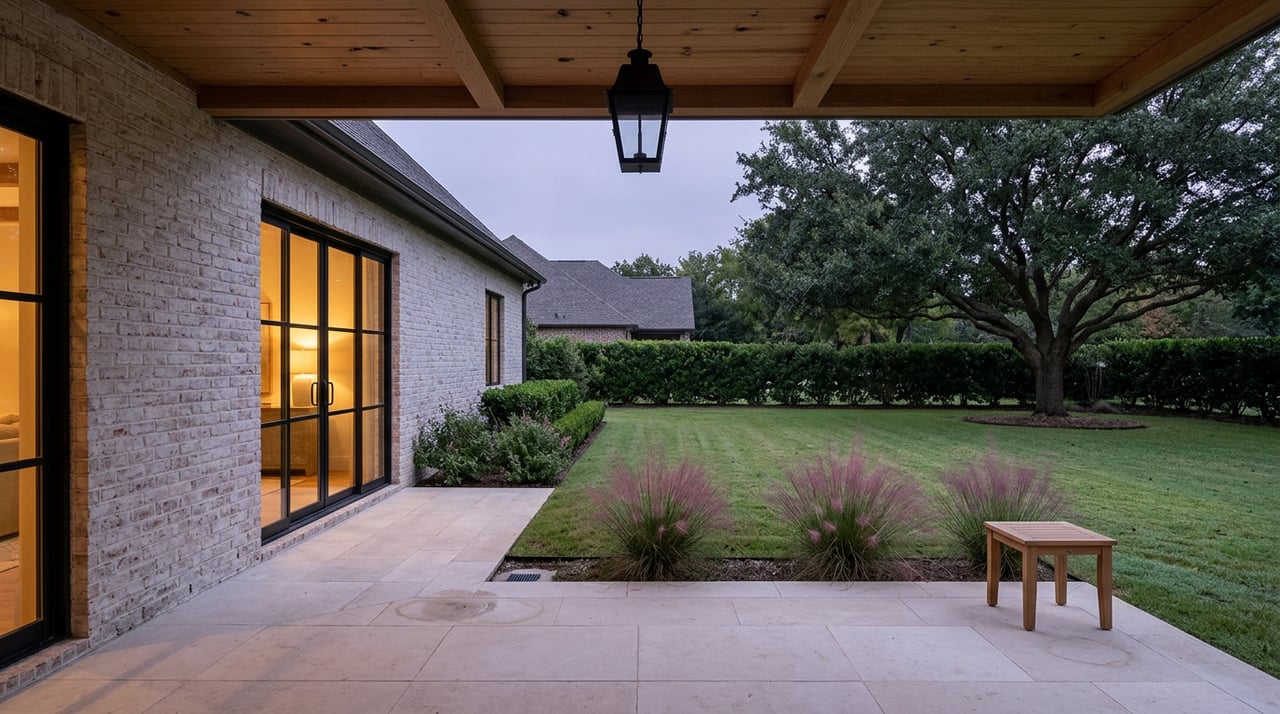
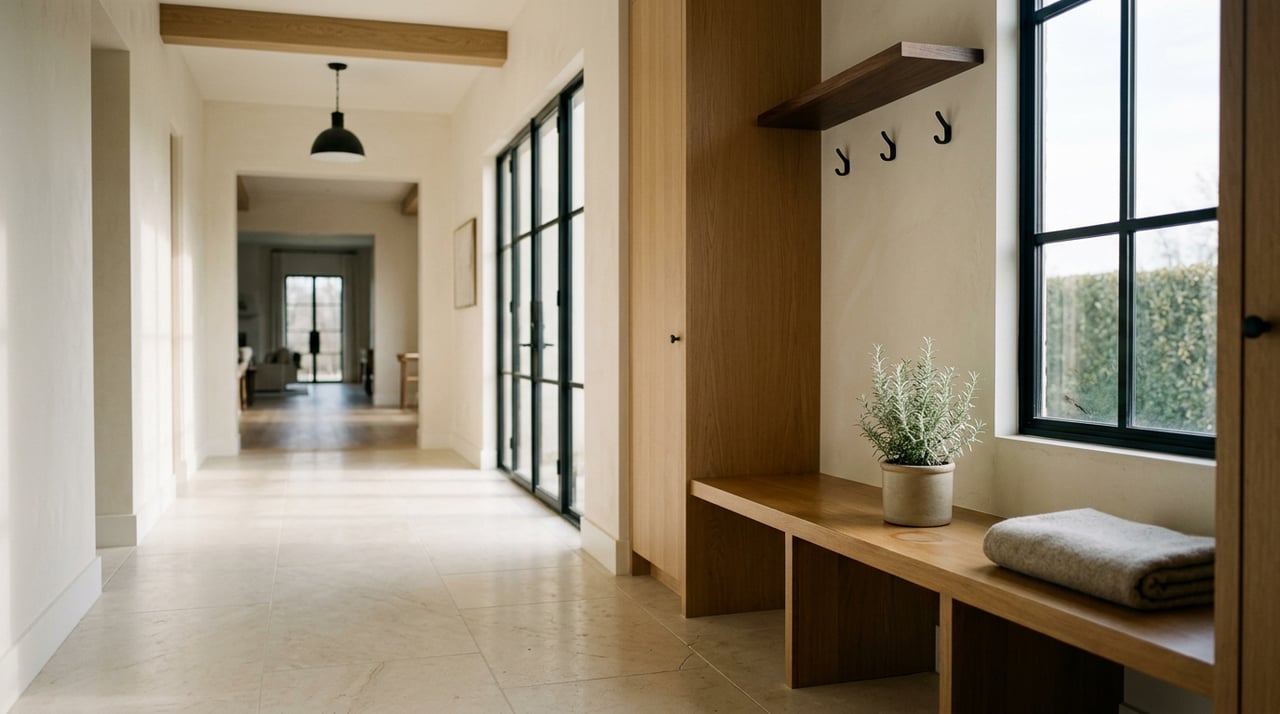
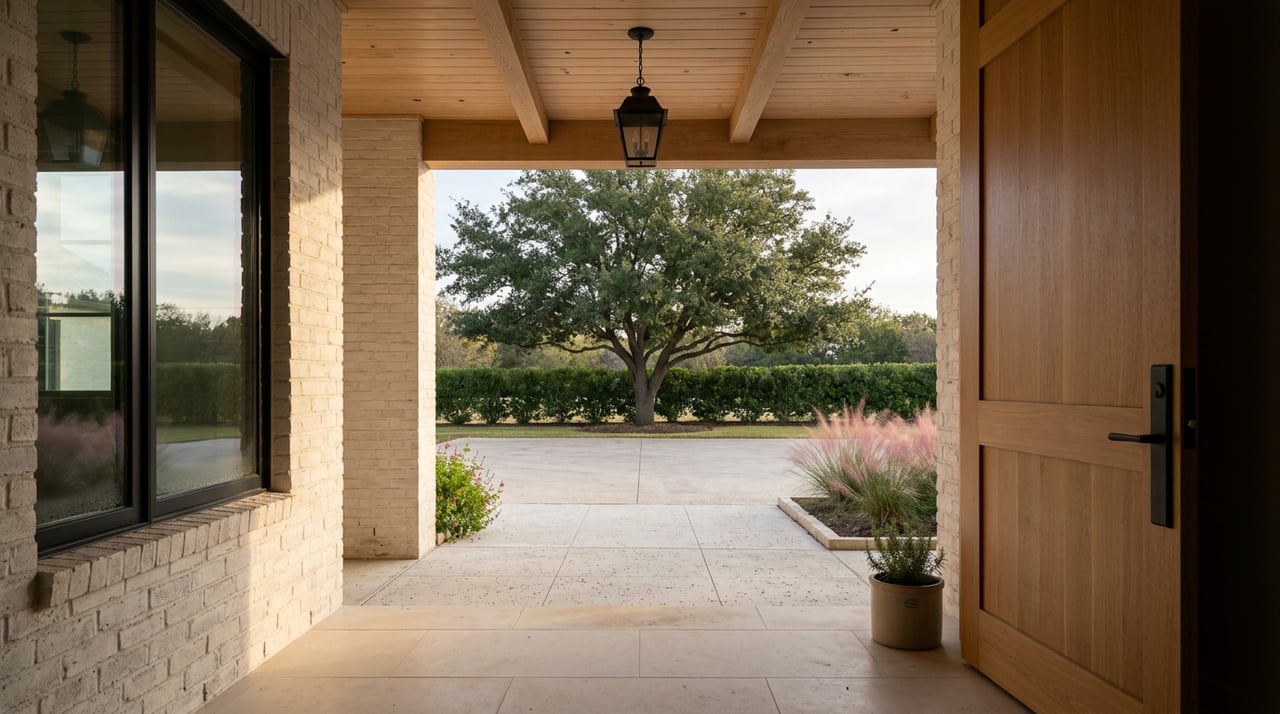
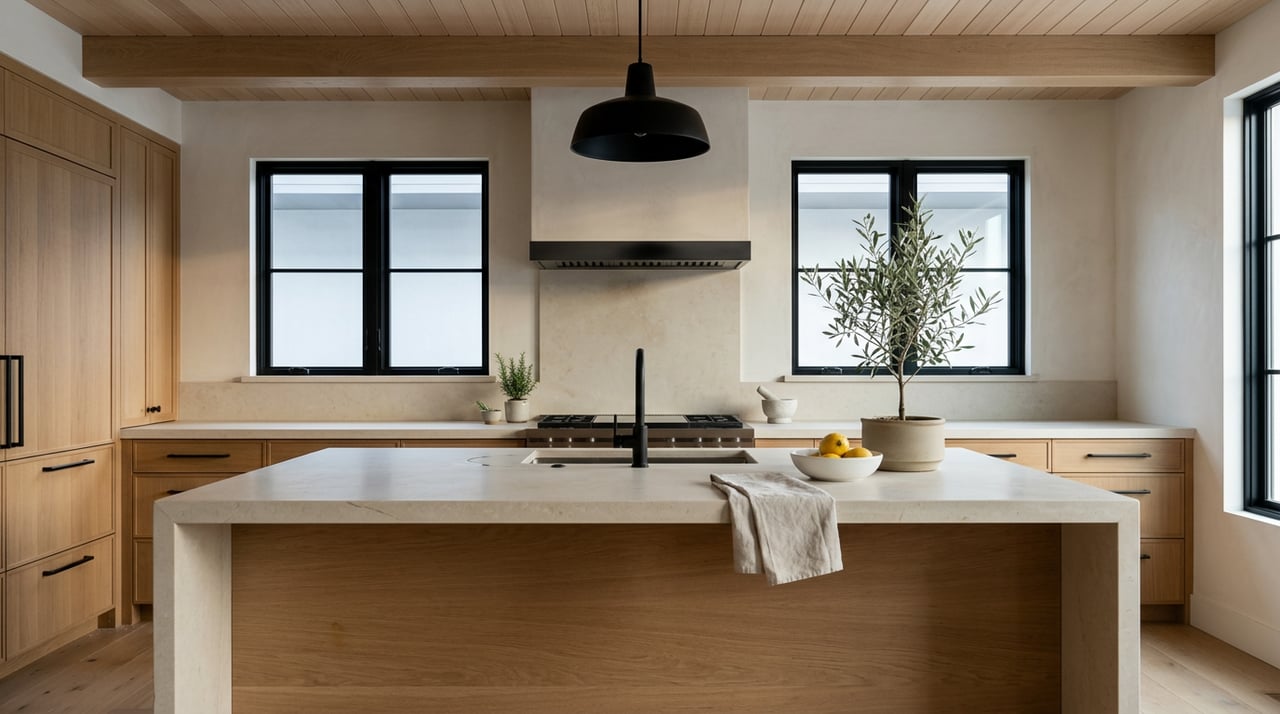
Homes tend to be custom-built single-family properties, with one- and two-story layouts. You will often find large garages, workshops, barns or sheds on larger parcels, outdoor living spaces, and pools. Long driveways, mature landscaping, and natural drainage features are typical. Newer custom construction appears in select pockets where larger tracts have been subdivided.
Daily life and amenities nearby
Acreage living trades walkable retail for privacy and space. Most daily errands are a short drive away in Allen, Plano, McKinney, or Frisco. You can reach major shopping, restaurants, and medical services in roughly 20 to 40 minutes depending on traffic and destination.
On your property, your lifestyle can shift outdoors. Many owners garden, entertain on patios, or add hobby structures where permitted. Some areas allow equestrian use based on subdivision rules and town or county guidelines, so you will want to confirm before planning barns or animals.
Schools and enrollment basics
School district assignments in and around Fairview vary by specific address. Many homes are zoned to Lovejoy ISD, while others may be in Allen ISD or McKinney ISD. Always verify the assigned district and campuses using the property address and the district’s current boundary maps. If school performance matters to you, review official Texas Education Agency reports and district resources for up-to-date information.
Commute and transportation
Driving is the primary way to get around. Many residents commute to employment centers in Plano, Frisco, McKinney, and Dallas. Typical drive times to central Collin County hubs range from about 20 to 40 minutes, depending on time of day and traffic. Public transit options are limited compared with denser, inner-ring suburbs, so plan on a car-first routine.
Tradeoffs vs. denser suburbs
Acreage living offers clear benefits. You get space, privacy, and room for outdoor amenities that are tough to fit on smaller lots. Many homes feature custom architecture and thoughtful landscaping. The overall feel is quiet and low density.
There are tradeoffs to weigh. Maintenance is higher, especially for large yards, fences, pools, and long driveways. Some properties rely on wells and septic systems, which need ongoing attention. You may drive farther for errands and activities. Property taxes and insurance can feel more material to the budget, and utilities may require extra due diligence.
Costs, taxes, and financing
Property taxes are a key factor in Collin County, so check the current rates and assessed values for any property you consider. Insurance can be higher on larger or more complex properties, and some carriers limit coverage for certain outbuildings or animal-related risks. Financing can also differ. Large acreage, well and septic, or unique improvements may require specialty lending and different underwriting, which can mean higher down payments or longer approval timelines.
Utilities and infrastructure
Not all acreage parcels have the same utility setup. Some connect to municipal water and sewer, while others use private wells and septic systems. Internet service varies in low-density areas, so confirm high-speed options before you commit. Also review electric service routes and whether lines are overhead. For access, note whether the road is public or private and who is responsible for maintenance.
Land use and restrictions
What you can build or keep on your land depends on zoning, subdivision covenants, and deed restrictions. The town’s development code and recorded neighborhood rules often guide structures like barns, shops, or guest spaces, along with animal allowances. Collin County has limited county-level zoning, so subdivision rules and town ordinances often carry the most weight. Verify these details early if you plan to add improvements or pursue equestrian or hobby-farm uses.
Water, drainage, and trees
Many Fairview parcels include creeks, drainage swales, or low-lying areas. Ask for floodplain information, review drainage easements, and evaluate how water moves across the site. Mature trees add privacy and beauty, but they also require care. A tree health assessment can help you plan long-term maintenance and safety.
Buyer checklist for acreage
Use this quick checklist to focus your due diligence:
- Confirm lot size with survey and county records
- Review boundary lines and any recorded easements
- Check floodplain maps, drainage paths, and culvert condition
- Verify water source and sewer type, and test well water if applicable
- Inspect septic system, pump, and maintenance records
- Confirm internet options and utility service providers
- Review HOA covenants and deed restrictions for allowed uses
- Assess driveway condition and road maintenance responsibility
- Evaluate tree health, outbuildings, and pool or irrigation systems
Is Fairview acreage right for you?
If you value privacy, room for custom living, and a quiet residential feel, Fairview’s acreage neighborhoods deliver. You will trade a bit of convenience and add some maintenance, but you gain space, flexibility, and a setting that feels personal and relaxed. With the right property fit and a clear plan for utilities, covenants, and upkeep, acreage living can be a long-term win.
Ready to explore acreage in Fairview or compare it with denser suburban options? Connect with the local team that understands custom homes, land, and development in Collin County. Reach out to The Luxury Collective Group for a Request a Personalized Consultation.
FAQs
How big are acreage lots in Fairview?
- You will commonly see about 0.5 to 1 acre, many estate lots at 1 to 5 acres, and occasional 5 plus acre parcels, with exact size verified by survey and county records.
Are utilities like water, sewer, and internet available on acreage?
- It depends on the parcel; some have municipal connections while others use well and septic, and internet options vary, so confirm availability with providers and the town.
How long is the commute from Fairview to major job centers?
- Drive times typically range from about 20 to 40 minutes to central Collin County hubs, depending on destination and traffic.
Can I keep horses or build a barn on a Fairview property?
- Possibly, but rules vary by subdivision covenants and town or county regulations, so check deed restrictions and local ordinances before you buy.
Is acreage more expensive to maintain than a suburban lot?
- Generally yes, because larger yards, septic and well systems, outbuildings, and longer driveways can add ongoing costs compared with smaller lots.