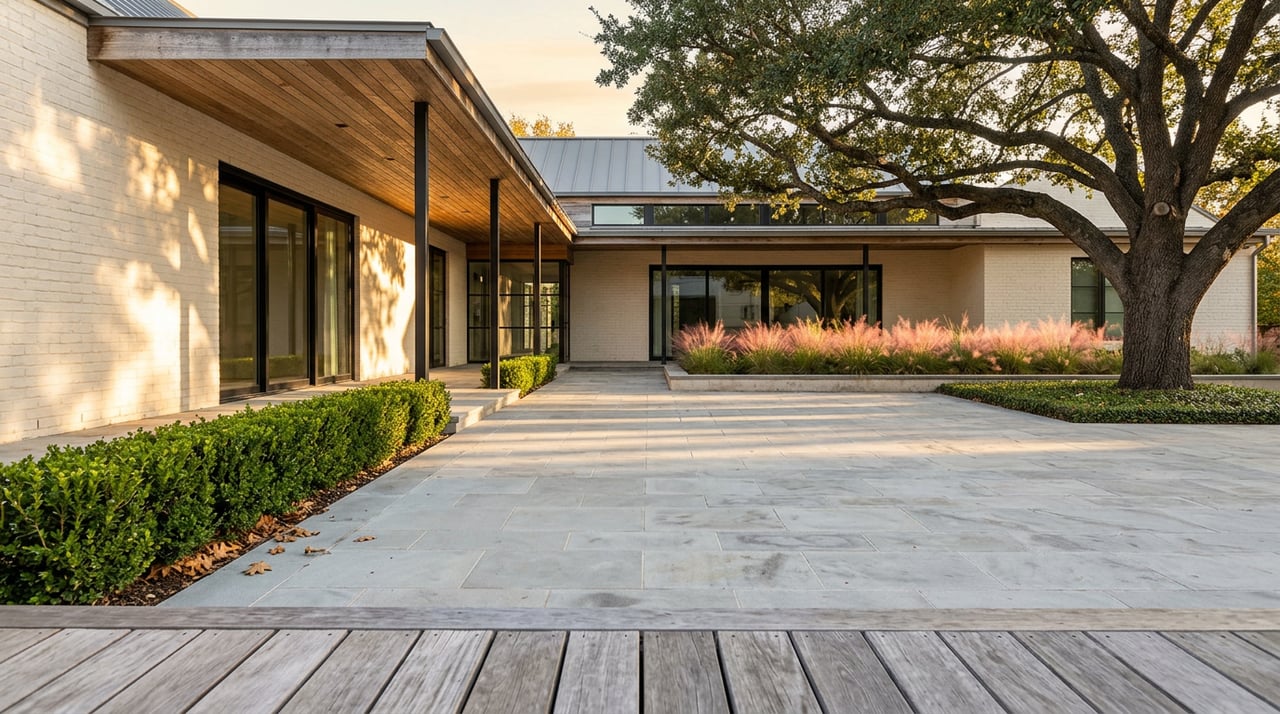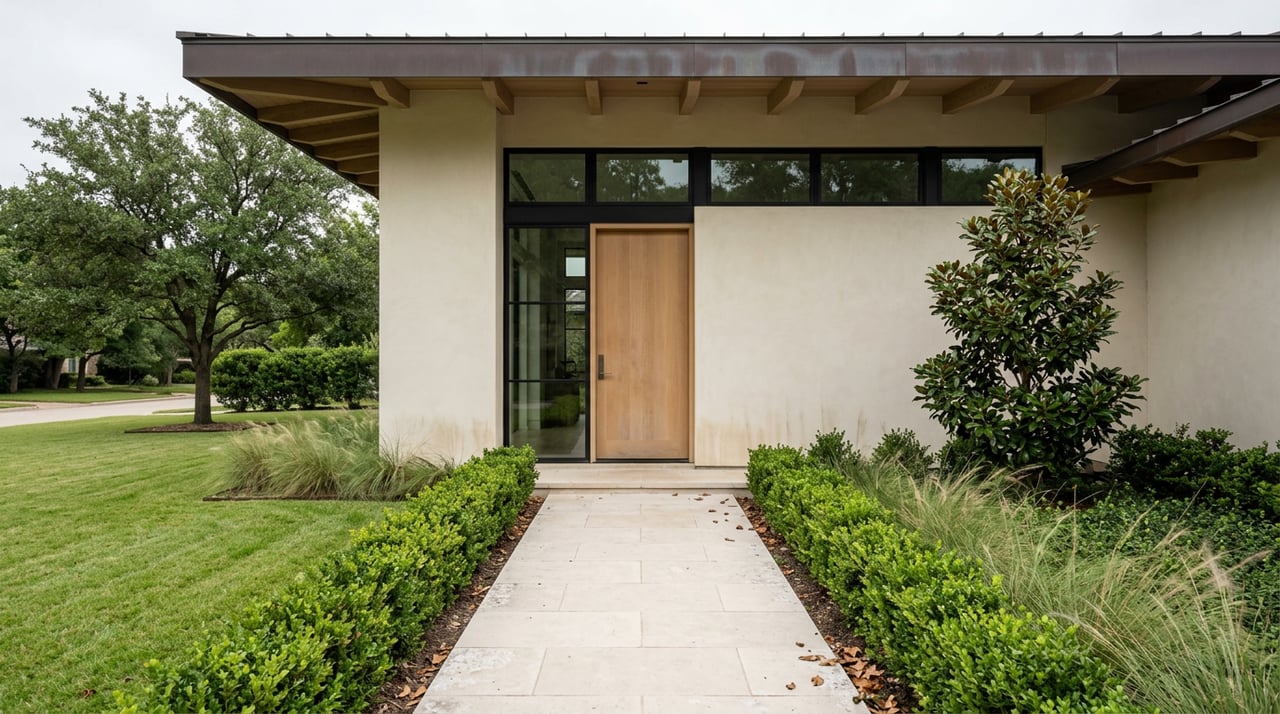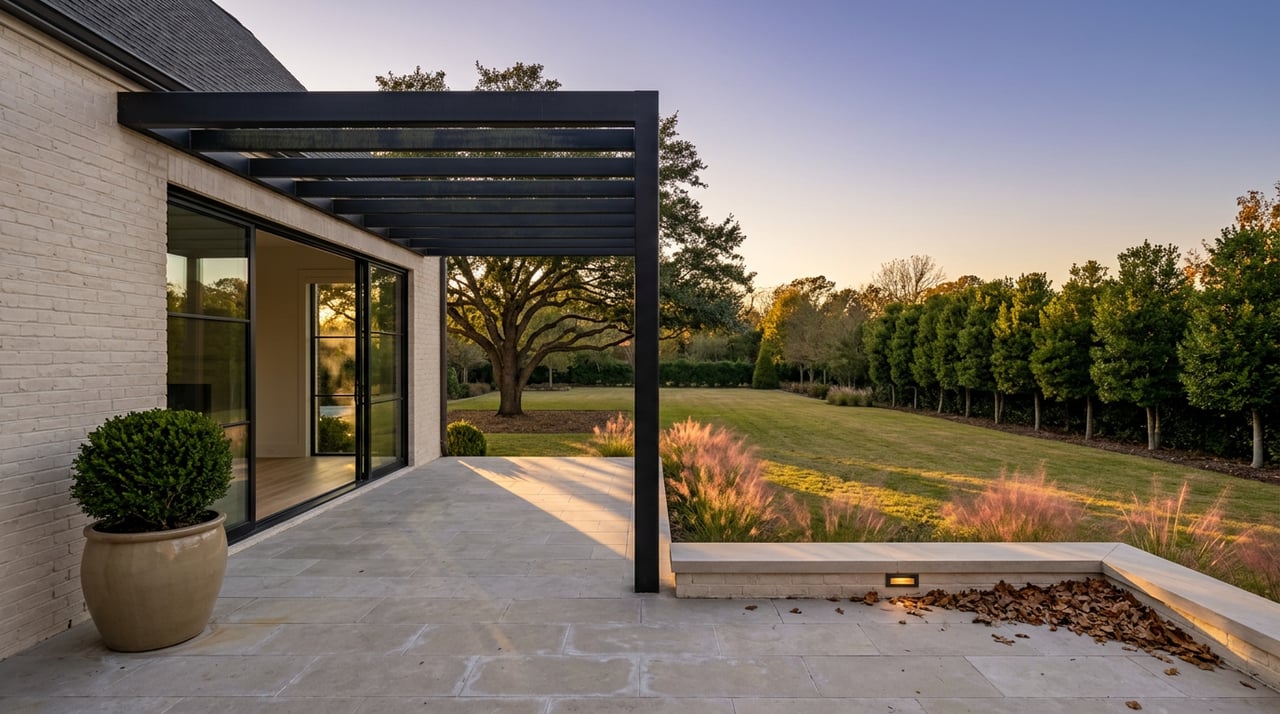
If you are searching for acreage or an equestrian property in Lucas, it is easy to assume bigger land automatically means more freedom. In reality, Lucas offers a rare mix of large-lot living and horse-friendly potential, but the details matter. When you understand zoning, lot rules, permits, and tax questions upfront, you can buy with far more confidence. Let’s dive in.
Why Lucas stands out for acreage buyers
Lucas appeals to buyers who want more space without heading too far from the Dallas-Plano-Irving area. It offers a range of lot sizes within one city, including 1-acre, 1.5-acre, 2-acre, and 6-acre zoning options, along with estate-style development districts.
That range gives you more flexibility than you may find in some nearby acreage markets. In practical terms, Lucas often feels like a middle ground between suburban large-lot communities and more rural horse-property areas.
Lucas zoning basics you need to know
The first thing to understand is that Lucas is acreage-based, but it is not unregulated. The city uses specific zoning districts, and the allowed use of a property depends on the zoning district, not just the number of acres.
Key zoning districts in Lucas include:
- R1: minimum 1 acre
- R1.5: minimum 1.5 acres
- R2: minimum 2 acres
- AO: minimum 6 acres
- ED: minimum 1.5 acres with a 4-acre average lot size
The AO district is intended for ranching and farming with relatively limited restrictions compared with other districts. Newly annexed land in Lucas is also classified as AO until the city assigns another zoning district.
The ED district works differently from rural acreage. It is designed for coordinated development of primarily vacant land and requires an HOA, underground utilities, and prohibits front-entry garages.
Why acreage alone is not enough
One of the most important rules in Lucas is simple: if a use is not listed in the city’s zoning-use chart, it is not allowed. Some uses also require a specific use permit.
That means you should never assume a tract can support horses, barns, boarding, or related improvements just because the lot is large. Before you move forward, you need to verify the exact zoning district and whether the horse-related use you want is actually permitted there.
Estate subdivision lots versus rural tracts
Not all Lucas acreage feels the same. Some properties are part of platted estate neighborhoods, while others are true rural-style tracts.
Platted estate subdivisions are usually found in R1, R1.5, R2, or ED zoning. These homesites may offer generous land, but they often come with recorded plats, build lines, and HOA rules that can shape what you can build and where you can place it.
Rural tracts in AO are usually where Lucas feels most like true country acreage. The AO district is intended for general ranching and farming, requires at least 6 acres, limits density to one principal dwelling per tract, and prohibits uses such as commercial feedlots, slaughter pens, and waste-storage uses.
What makes a Lucas property horse-friendly
A horse-friendly property in Lucas is about more than open space. You need the right combination of zoning, usable layout, and room for supporting improvements.
Lucas defines equestrian boarding as a business on a minimum of 2 acres and up to 5 acres with a maximum of 2 horses per acre. On lots larger than 5 acres, that cap does not apply.
The city also defines equestrian facilities broadly. These can include:
- Horse boarding
- Pasture boarding
- Horse training
- Riding lessons
- Horse breeding
- Horse rescue
- Horse shows
A riding arena may be part of an equestrian facility, but Lucas limits arena size to 10% of the total lot area or 20,000 square feet, whichever is smaller. Even with these definitions, the zoning-use chart still controls whether the use is allowed on a specific tract.
Barns, arenas, and accessory structures
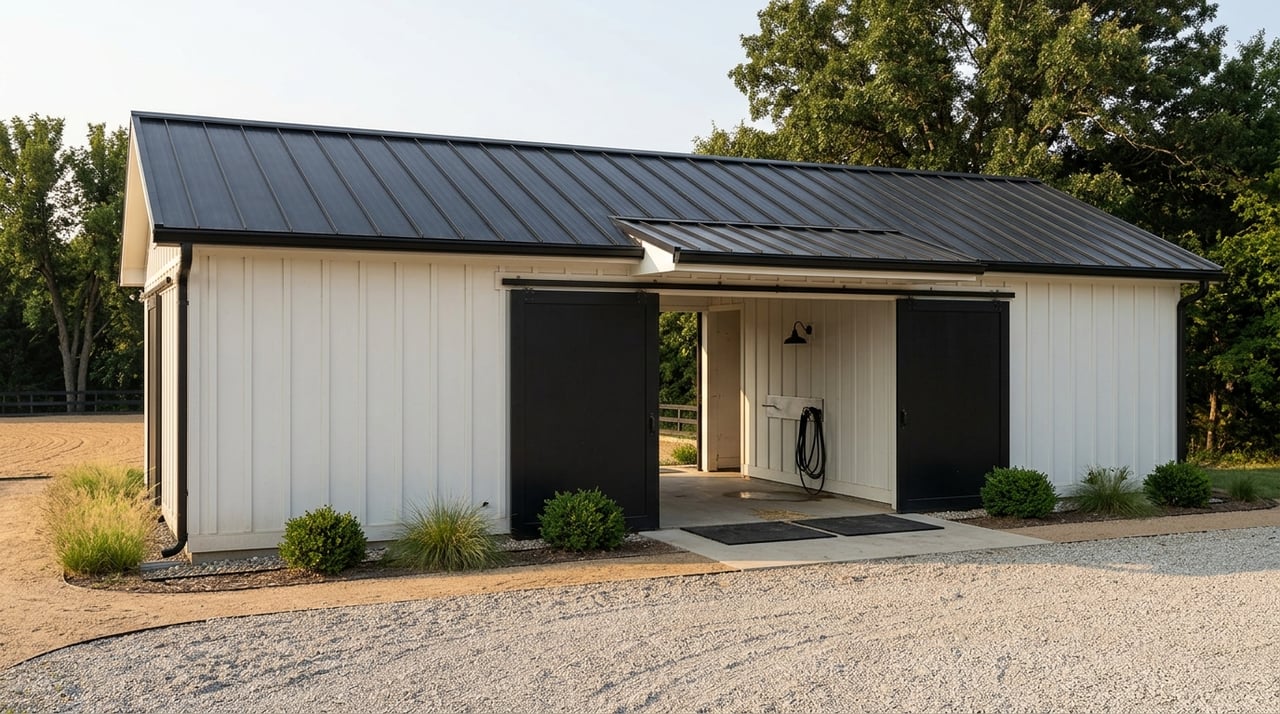
If you want a horse property, outbuildings are often just as important as the home itself. Lucas has specific rules that affect barns, loafing sheds, pole barns, riding arenas, and other support structures.
In the AO district, agricultural accessory buildings may be built before the principal building. The city specifically names pole barns, livestock barns, riding arenas, implement-storage buildings, and loafing sheds as examples.
In residential districts, detached accessory buildings generally must be at least 10 feet behind the principal building. If a recorded plat establishes a stricter build line, that more restrictive line controls.
For larger structures, permits matter. Lucas requires a building permit for accessory buildings over 200 square feet, and structures with plumbing may also need septic-impact approval from Collin County.
Lot coverage can affect your plans
Large acreage does not always mean unlimited buildable area. In Lucas residential districts, lot coverage is capped at 30% and impervious coverage at 35%.
This can become important if you want a large home, detached garage, barn, long driveway, patio space, and hardscape features all on one property. A lot may look large on paper, but the combination of house footprint, accessory buildings, and paved areas still needs to fit within city limits.
Fencing rules for horse properties
Fencing is another key part of planning for horses. In Lucas residential, agricultural, and estate districts, fences can be up to 6 feet in front yards and 8 feet in side and rear yards.
The city also allows livestock-style fencing when property is used to pasture or control livestock. Electrically charged fencing is allowed as long as it is not dangerous to humans.
Drainage, wells, and septic planning
A good horse property should work as a whole site, not just as a collection of features. Barn placement, paddocks, arenas, septic areas, and wells all need to be planned together.
Texas A&M AgriLife notes that poor livestock-yard sites often have shallow soil, a high water table, or very sandy or gravelly soils with excessive drainage. It also recommends careful manure storage and treatment to help protect groundwater and waterways.
AgriLife also notes a minimum 150-foot separation between existing livestock yards and new wells. For buyers, this makes site planning a practical issue from day one, especially if you are evaluating raw land or a property with room for future improvements.
Deed restrictions can override flexibility
Even when zoning appears favorable, private restrictions may still limit what you can do. Deed restrictions can regulate property use as well as the size, location, and character of improvements.
In practice, that means a property may be zoned in a way that suggests horse or barn potential, yet recorded covenants or HOA rules may still limit fences, accessory buildings, or animal keeping. When zoning and deed restrictions overlap, the more restrictive rule governs.
Agricultural appraisal in Lucas
Many buyers ask whether a Lucas horse property comes with an agricultural tax break. The first thing to know is that Texas does not treat this as a simple exemption. It is a special appraisal based on productivity value rather than market value.
In Collin County, qualifying land generally must have been devoted to agricultural use for at least five of the preceding seven years. Applications must be filed after January 1 and before May 1, and a new application is required after a change of ownership.
Because Lucas is inside city limits, Collin CAD applies another layer. The land must either not receive general services comparable to other parts of the city or must have been devoted principally to agricultural use continuously for the preceding five years.
Horses do count as livestock in the county guidelines, but horse ownership alone does not guarantee agricultural appraisal. Collin CAD lists one horse as one animal unit and notes that a typical prudent livestock operation is about two animal units per year-round pasture operation for qualification purposes.
If land receiving agricultural appraisal changes to a non-agricultural use, the owner may owe rollback tax for the previous three years. That makes it especially important to review current status, supporting documentation, and your future plans before you buy.
A smart Lucas acreage checklist
Before you purchase an acreage or equestrian property in Lucas, it helps to review the property from every angle. A beautiful tract can still come with limitations that affect how you use it.
Use this checklist as a starting point:
- Confirm the zoning district
- Verify whether your intended horse-related use is allowed
- Review the recorded plat for build lines
- Check deed restrictions and any HOA guidelines
- Evaluate barn, arena, paddock, and fence placement
- Ask about septic feasibility and possible county coordination
- Review well placement and drainage conditions
- Confirm whether any specific use permit applies or is needed
- Review current or past agricultural appraisal status
Why local guidance matters in Lucas
Lucas can be an outstanding place to find space, privacy, and equestrian potential. It also asks buyers to look more carefully at zoning, plats, permits, and land-use details than they might on a standard suburban purchase.
That is where experienced local representation can make a real difference. When you are evaluating acreage, custom-build potential, or an equestrian setup, the right guidance helps you spot opportunities and avoid expensive surprises.
If you are considering acreage or equestrian property in Lucas, The Luxury Collective Group can help you evaluate land, estate properties, and custom-build opportunities with the level of detail these purchases deserve.
FAQs
What zoning districts matter most for acreage property in Lucas?
- The main districts buyers usually compare are R1, R1.5, R2, AO, and ED, with minimum lot sizes ranging from 1 acre to 6 acres depending on the district.
What should horse-property buyers verify before buying in Lucas?
- You should verify zoning, the city’s use chart, recorded plat restrictions, deed restrictions, HOA rules, and site feasibility for barns, arenas, fencing, septic, and wells.
What is the minimum lot size for AO zoning in Lucas?
- AO zoning in Lucas requires a minimum lot size of 6 acres and is intended for ranching and farming uses.
What does Lucas allow for equestrian facilities?
- Lucas defines equestrian facilities to include uses such as boarding, training, lessons, breeding, rescue, and horse shows, but the zoning district and any permit requirements still control whether those uses are allowed on a specific property.
What should buyers know about agricultural appraisal in Lucas?
- Agricultural appraisal in Lucas is not automatic, and buyers should review Collin County qualification standards, ownership-change requirements, filing deadlines, and the risk of rollback tax if the use changes.