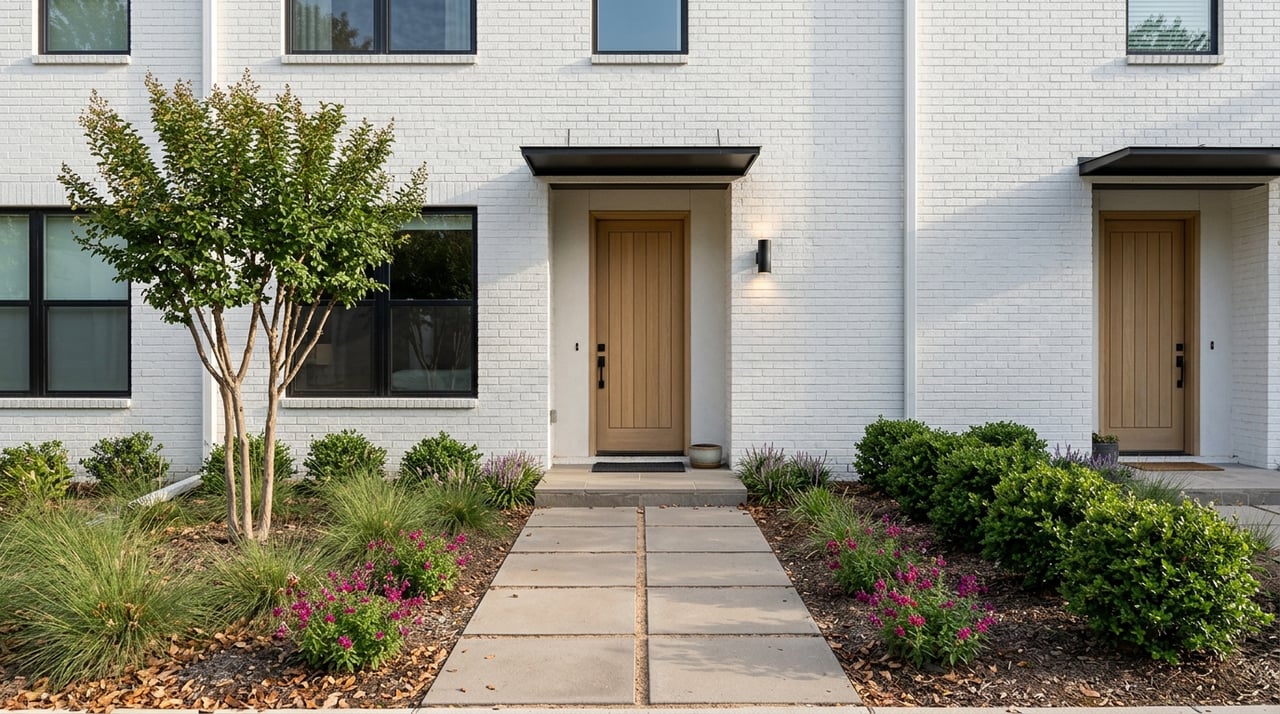
If you want the freedom to travel, split time between homes, or simply spend less of your weekend on exterior upkeep, lock-and-leave living in Plano may be worth a closer look. Many buyers love the idea of a home that feels easier to manage, but the details matter more than the label. In this guide, you’ll learn what lock-and-leave living usually means in Plano, which property types tend to fit, and what to review before you buy or sell. Let’s dive in.
What lock-and-leave living means
Lock-and-leave is best understood as a lifestyle term, not a formal legal property type. In Plano, it usually refers to homes where some exterior maintenance and common-area management are handled by an association rather than by you alone.
That often includes condominiums, townhomes, and other attached-home communities. The main appeal is simple: compared with a detached single-family home, these options can reduce the amount of yard work and exterior maintenance you manage directly.
Plano is a natural setting for this conversation because the city has long included attached and multifamily housing types in its housing mix. The city also emphasizes a livable, sustainable community with vital neighborhoods, urban centers, and public amenities that support a convenience-focused lifestyle.
Why Plano fits this lifestyle
A big part of lock-and-leave appeal is what happens outside your front door. Plano maintains an extensive network of parks, trails, pools, and recreation centers, which can make it easier to enjoy amenities without relying only on private outdoor space.
The city’s recreation offerings include indoor tracks, fitness rooms, pools, pickleball, and other shared facilities. For many buyers, that means you may be able to trade some private yard responsibility for community or public amenities that still support an active lifestyle.
Plano’s focus on downtown redevelopment and exciting urban centers also adds to the draw. If you want convenience, flexibility, and less day-to-day property upkeep, Plano offers a strong backdrop for that kind of home search.
Property types to consider
Condominiums
Condominiums are often the clearest example of lock-and-leave living. Under Texas law, condos include separately owned units plus common elements that are owned collectively by unit owners.
In many condo communities, the association may handle maintenance, repair, and replacement of common elements, while you remain responsible for your unit itself. Associations may also collect assessments, hire managers, and adopt rules covering use, appearance, leasing, or sale.
Insurance is another reason condos often feel more streamlined. Texas Department of Insurance guidance says condo insurance typically covers your personal property, the interior of your unit, liability protection, and additional living expenses.
Townhomes and attached homes
Townhomes can also be a strong fit for buyers seeking lower-maintenance living. These homes are typically attached by a shared wall and may include shared amenities such as pools, fitness spaces, or clubhouses.
That said, townhomes vary more than condos. In some communities, HOA fees may cover exterior spaces, while in others, the split between owner responsibility and HOA responsibility depends on the governing documents and the community’s master insurance policy.
This is why two homes that look similar can function very differently. Before you assume a townhome is truly lock-and-leave, it is important to verify exactly what the HOA maintains and what you still handle.
How it differs from a detached home
The biggest difference is not the architecture. It is the division of responsibility.
With a detached single-family home, you typically carry more of the burden for exterior care and site maintenance. In a condo or attached-home community, some of that work may shift to the association through dues, rules, and shared management.
That shift is what makes these homes appealing for buyers who travel often, prefer a simpler routine, or want less hands-on upkeep. Still, lower maintenance does not mean no maintenance.
What the HOA may handle
In many lock-and-leave communities, the association takes on part of the work that would otherwise fall to you. Depending on the property type and governing documents, that may include common-area upkeep, exterior maintenance in whole or in part, and management of shared amenities.
Texas law gives condominium associations broad authority in areas such as maintenance, repair, modification, appearance, use, occupancy, leasing, and sale. That structure can create convenience, but it also means community rules play a major role in your day-to-day ownership experience.
Some buyers focus only on the benefit side of HOA living. A better approach is to weigh both sides: less exterior work in exchange for dues, rules, and the possibility of special assessments.
Costs to understand before you buy
A lock-and-leave home can simplify your routine, but it does not remove owner costs. You still need to plan for HOA dues, your own insurance needs, and interior repairs in most cases.
The exact insurance split matters. With condos, your policy generally covers the interior of the unit and personal property, while the association handles common elements. With townhomes, coverage can apply to the interior only or to both the interior and exterior, depending on whether the HOA has a master policy covering the exterior.
You should also pay close attention to potential surprise costs. Special assessments, reserve levels, and the association’s financial condition can all affect the real cost of ownership.
Buyer due diligence that matters
If you are considering lock-and-leave living in Plano, the documents matter as much as the floor plan. The same community features that make life easier can also come with rules, fees, and approval requirements that are important to understand before closing.
A practical review should include:
- The declarations and community rules
- What the HOA maintains
- What your insurance must cover
- The resale certificate
- Budget and reserve information
- Any history of special assessments
- Any limits on leasing or resale
Texas law requires certain association records, including financial records, to be reasonably available for examination by an owner or the owner’s representative. Resale certificate rules also matter because updated certificate information must be delivered within seven business days after a written request, and that information can reveal unpaid assessments, special assessments, and community-specific restrictions.
Remodeling and approval limits
One common misconception is that a low-maintenance home also means total freedom to change it. In reality, remodels and exterior or structural changes may require more than one layer of approval.
The association may have its own design or modification rules. On top of that, Plano’s residential permit categories include additions and alterations, new residential buildings, outdoor improvements, and swimming pools, so some projects may also require city permits.
If future customization is important to you, ask those questions early. It is much easier to confirm approval paths before you buy than after you move in.
What sellers should highlight
If you are selling a condo, townhome, or other lower-maintenance home in Plano, buyers usually respond best to clarity. The more clearly you can explain how the community works, the easier it is for buyers to understand the value.
The most helpful points to communicate often include:
- What the HOA covers
- Whether the exterior is maintained by the association
- Whether there is a master insurance policy
- Whether rentals are restricted
- Whether any special assessments are outstanding
- Which amenities are included
For a well-positioned listing, this information reduces uncertainty and helps buyers compare your home against other options. In a category where convenience is the main selling point, specifics matter.
Is lock-and-leave right for you?
The right fit depends on your priorities. If you want less yard work, more flexibility, and a home that may feel easier to leave for a weekend or a longer trip, a condo or townhome in Plano could be a smart option.
If you prefer full control over exterior decisions, fewer community rules, or a more independent ownership structure, a detached home may still be the better match. The key is to look past the marketing phrase and evaluate the actual documents, insurance setup, and day-to-day responsibilities.
In other words, lock-and-leave living can absolutely simplify life, but the level of simplicity depends on the exact community. If you want help comparing options in Plano and understanding how the details affect your lifestyle, The Luxury Collective Group can guide you through the process with a polished, personalized approach.
FAQs
What does lock-and-leave living mean in Plano?
- It usually refers to condos, townhomes, or HOA-managed communities where some exterior upkeep and common-area management shift from the owner to the association.
Are Plano condos truly low maintenance?
- Often yes, but mainly because the association typically handles common elements while you remain responsible for your unit interior, personal property, and certain insurance needs.
Do Plano townhomes always include exterior maintenance?
- No. Townhome maintenance and insurance responsibilities can vary by community documents and whether the HOA carries a master policy covering the exterior.
What should buyers review before buying a lock-and-leave home in Plano?
- Buyers should review the HOA rules, resale certificate, budget, reserve information, insurance split, maintenance responsibilities, and any history of special assessments.
Can you remodel a lock-and-leave home in Plano without approval?
- Usually not. Depending on the project, you may need HOA approval and may also need city permits from Plano for certain additions, alterations, or outdoor improvements.
What should sellers include when marketing a lock-and-leave home in Plano?
- Sellers should clearly explain what the HOA covers, whether the exterior is association-maintained, whether there is a master insurance policy, any rental restrictions, and whether special assessments are outstanding.