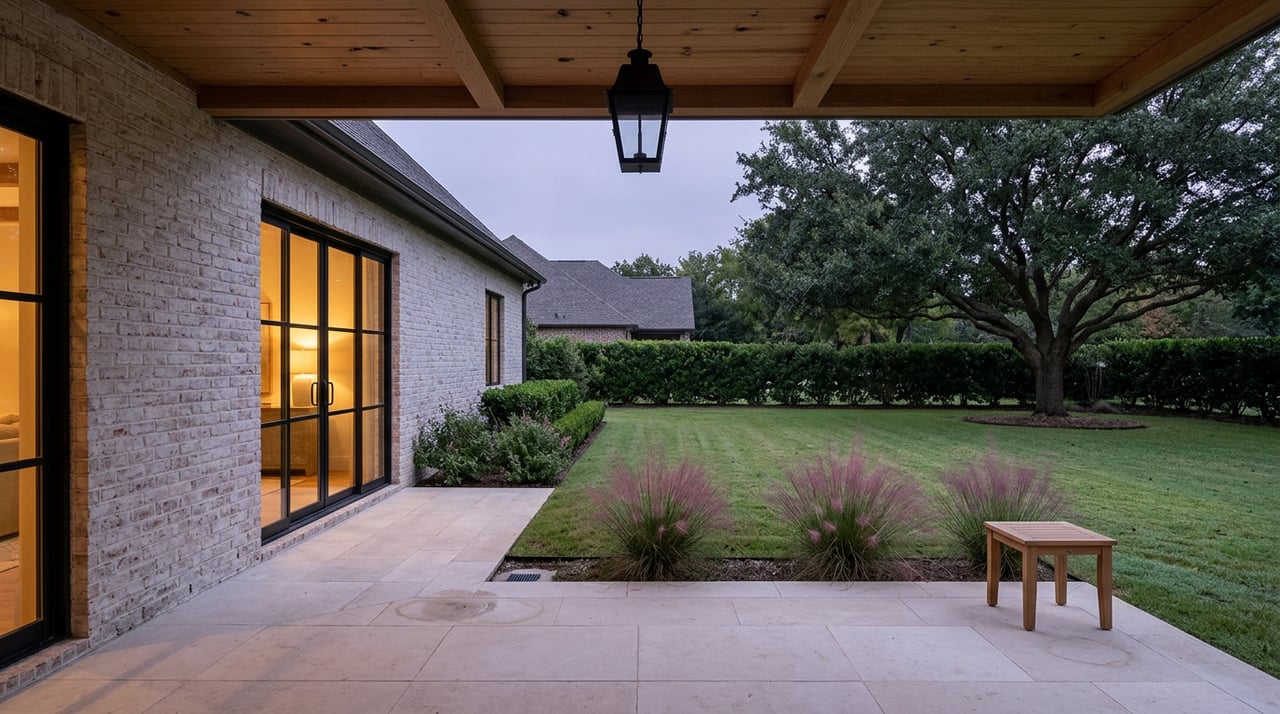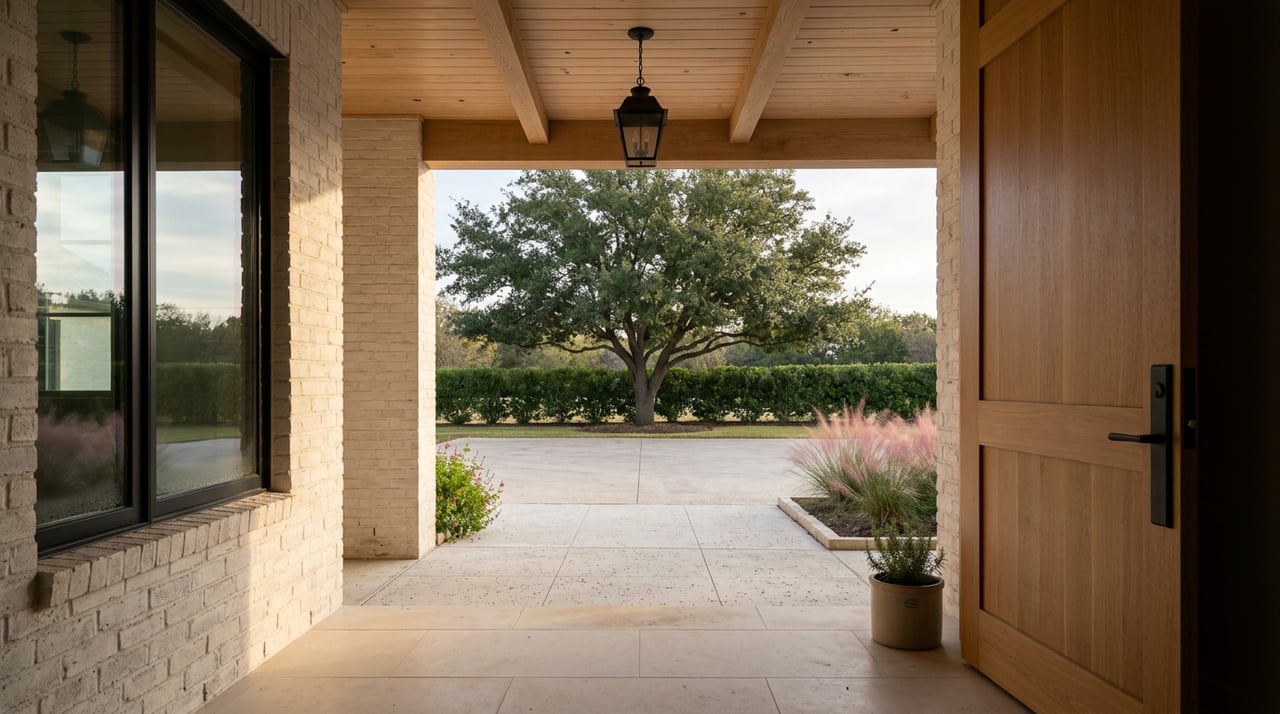
Torn between a shiny new build and the charm of a resale in Celina? You are not alone. With Celina growing quickly and new communities coming online, you have great options, but the details matter. In this guide, you will learn how timelines, warranties, inspections, incentives, taxes, HOAs, and MUDs stack up so you can choose with confidence. Let’s dive in.
Why Celina is unique for buyers
Celina sits at the edge of the Dallas–Fort Worth expansion, with rapid growth shaped by master-planned communities, larger-lot options, and phased amenities. City planning and developer timelines can influence when roads, parks, and community centers are fully available. For context on what is in the pipeline, review the City of Celina’s planning and development updates on the City of Celina official site.
Local lots can be financed with Municipal Utility Districts, known as MUDs. These special districts help fund infrastructure and can add a separate tax component until bonds are paid down. You will want to understand how a MUD affects your total tax bill over time.
North Texas’ expansive clay soils are another local factor. This soil type influences foundation design for new homes and can affect maintenance and inspections for older homes. Learn more about regional soils from Texas A&M AgriLife Extension.
New construction in Celina: What to expect
Timeline and process
A typical build-to-order path includes lot selection and contract, design selections and permitting, construction with milestone inspections, a final walk-through, and closing. Timelines often run several months and vary by builder, lot type, and weather. For general construction timing trends, see the National Association of Home Builders (NAHB).
Local conditions can influence your schedule. Permit review, seasonal storms, and phased community infrastructure can delay completions or amenity openings. Ask for the community phase map and target completion dates for roads and amenities.
Warranties and protections
Most builders offer tiered coverage, such as one year for workmanship, one to two years for systems, and longer structural coverage that can extend up to 10 years through third-party providers. Read the warranty in full, including what is excluded and how claims work. If you might sell within the warranty window, confirm whether the warranty transfers and how.
Inspections that matter
Do not skip independent inspections just because a home is new. Many buyers schedule a pre-drywall inspection, a final inspection before closing, and an 11th‑month inspection during the warranty period. These checkpoints help catch items before they disappear behind drywall or before warranty deadlines. For an overview of new home inspection stages, review InterNACHI’s guidance for new home inspections.
Incentives and financing
Builders often offer closing cost help, lender credits, rate buydowns, or discounted upgrades, especially in competitive phases. Incentives can be tied to using the builder’s preferred lender or title company, so compare your net costs if you use your own lender. In Texas, you can choose your lender.
Financing options vary. Completed or spec homes typically fit conventional, VA, or FHA loans, subject to program requirements. Ground-up builds may require construction-to-permanent or draw-based loans that can have higher down payments and interest-only draw periods. Build timelines and rate locks should be part of your lender conversation.
Costs, taxes, MUDs, and HOAs
Sticker price is only part of the equation. New homes can reduce near-term maintenance costs because systems are new, while resale homes may require updates or bigger repairs sooner. In new communities that use MUDs, you will see a separate line item on your property tax bill until the district’s debt is paid down. Learn how MUDs work from the Texas Comptroller’s MUD overview.
After you close, your property is assessed by the county. Review appraisal history, exemptions, and tax details through the Collin County Appraisal District. Most master-planned communities also have HOA fees for amenities and design standards. Confirm fees, rules, and any transfer or capital contribution charges.
Resale homes in Celina: What to expect
Timeline and process
Resale transactions often close faster than a ground-up build because the home is move-in ready. The flow usually includes inspection, appraisal, negotiations, and closing. You also benefit from established roads, mature landscaping, and completed amenities, though some areas near active development may still experience construction activity nearby.
Inspection priorities
On a resale, attention shifts to condition and age. Inspect the roof, foundation, HVAC, plumbing, electrical, drainage, and grading. Because expansive soils are common in North Texas, foundation history and drainage patterns deserve a close look. Based on findings, consider specialty inspections such as a structural engineer review, sewer scope, or pest inspection. For regional context on soils and property issues, explore resources from the Texas A&M Real Estate Center and Texas A&M AgriLife Extension.
Negotiations and incentives
Seller concessions are common. You might negotiate price adjustments, repair requests, or closing cost credits after inspection. The strength of your offer and the local supply of similar homes will shape your leverage.
Ongoing costs and taxes
Verify property tax history, exemptions, and any pending changes through the Collin County Appraisal District. If the home is within an HOA, review the covenants, fees, and any architectural controls that could impact future improvements.
Resale vs new: Which fits your goals
Here is a quick way to think about fit based on priorities:
- If you want customization and current codes: New construction offers modern energy codes and the chance to choose finishes. You trade that for a longer build timeline and the need to manage selections and inspections.
- If you want speed and established surroundings: Resale can get you into a home faster with mature landscaping and finished amenities. You may need to budget for updates or maintenance sooner.
- If you are rate or incentive sensitive: Builder incentives can lower upfront costs or monthly payments, but compare total cost of ownership, including MUD taxes and HOA fees, against a resale with negotiated credits.
- If foundation and soils are top of mind: Both paths need attention here. For new builds, ask for structural plans and soil-related documentation. For resales, evaluate any past repairs and consider an engineer’s opinion if signs of movement exist.
Long-term value in a fast-growing city
In a master-planned environment, value ties closely to location, lot size, nearby amenities, and school boundaries. Communities can appreciate as amenities open and the neighborhood matures. Early buyers sometimes benefit from momentum, but timing and absorption matter.
When new homes compete with older resales in the same area, buyers may favor the latest designs and energy features. Resale homes maintain strong appeal when they offer standout lots, thoughtful updates, or a move-in ready package. Builder reputation can also influence resale; quality construction and well-maintained homes tend to hold value better.
Quick checklist for Celina buyers
If you are buying new construction
- Ask for the build timeline, permit status, and a phase map showing planned roads and amenities.
- Get the builder’s warranty in writing, including coverage, exclusions, transfer rules, and claim steps.
- Confirm if the property is in a MUD and request estimated taxes and projections. Review HOA covenants and fees.
- Compare builder-affiliated lender offers against an outside lender. Look at rate, fees, and lock timelines.
- Schedule third-party inspections at pre-drywall, final, and 11th‑month warranty milestones.
- Request structural plans, any available soil reports, and foundation specifications.
If you are buying a resale
- Review the Texas Seller’s Disclosure and ask for records of any foundation work, insurance claims, renovations, and utility history. You can learn more about disclosures from the Texas Real Estate Commission.
- Order a full home inspection and add specialty inspections based on age and signs of wear.
- Verify tax history, exemptions, and projected assessments with the Collin County Appraisal District.
- Review HOA rules, fees, and any transfer or capital contribution costs.
For both paths
- Confirm current school boundaries and future development near the property.
- Compare total cost of ownership: mortgage, taxes, MUD, HOA, insurance, utilities, and likely maintenance.
- Build a timeline that accounts for appraisal, underwriting, and any construction delays.
How The Luxury Collective Group can help
You deserve a clear plan and a smooth process. Our team pairs concierge buyer representation with local builder and developer relationships, so you can compare new-build options against the best resale opportunities with confidence. We help you evaluate warranties, inspections, incentives, MUD and HOA costs, and long-term value drivers.
If you are weighing a custom build, we also coordinate introductions to reputable builders and guide you through selections, inspections, and close. Ready to compare your options in Celina? Connect with The Luxury Collective Group to Request a Personalized Consultation.
FAQs
Are new homes always better quality than resales in Celina, TX?
- Not always. New homes meet current codes and have new systems, but workmanship can vary by builder. Independent inspections and builder reputation are key.
How much do builder incentives really save in Celina, TX?
- Incentives can reduce closing costs or add upgrades, but your long-term cost depends on the interest rate, taxes, MUD and HOA fees, and maintenance. Compare net costs.
Should I use the builder’s preferred lender for a new home in Celina, TX?
- You can, but compare rates, fees, and lock terms with an outside lender. Incentives are helpful, yet the best overall package wins over the life of the loan.
Are foundations a bigger concern in Collin County, including Celina?
- Expansive clay soils are common here, so foundations deserve attention on new and older homes. Ask for documentation on new builds and consider an engineer if there is movement.
What should I know about MUD taxes when buying in Celina, TX?
- Many new communities use MUDs to fund infrastructure, which adds a separate tax line until bonds are paid down. Review the MUD’s details to understand total tax impact.